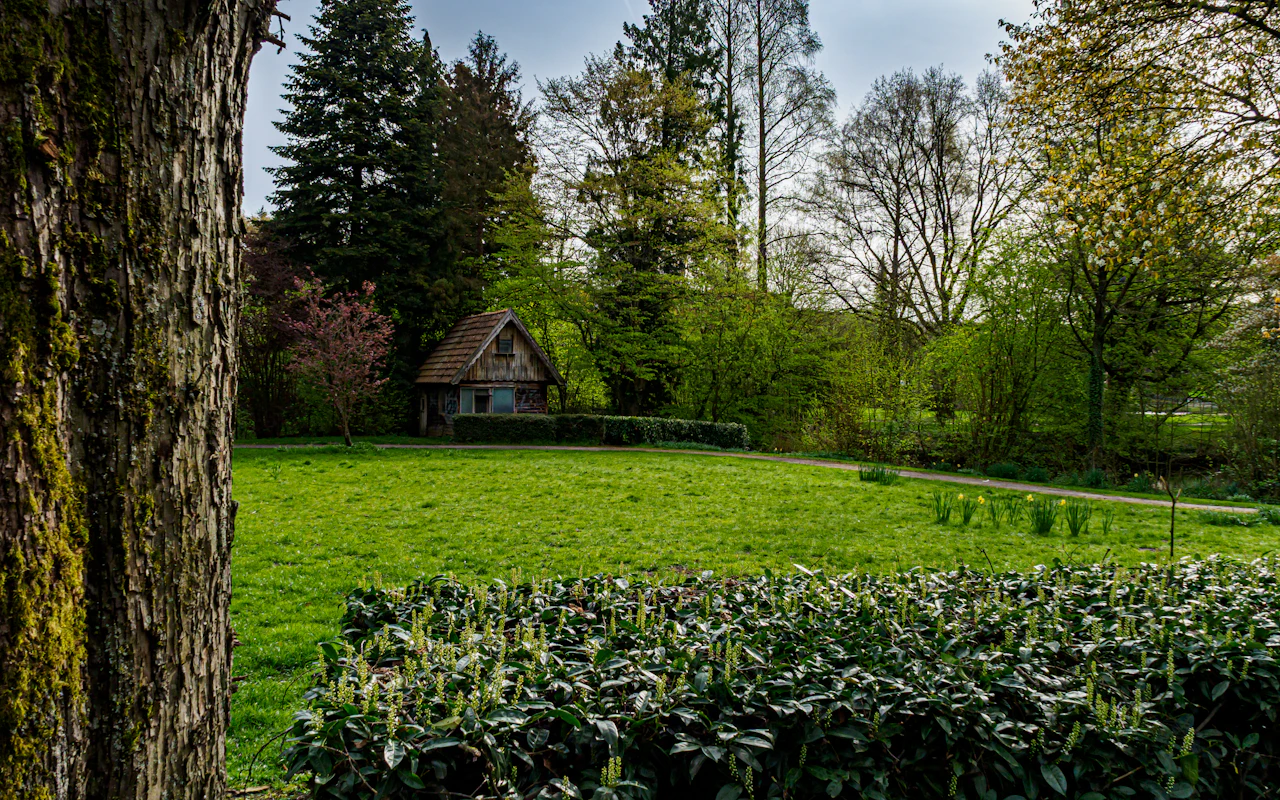
Outdoor classroom pods
A pod is a small enclosed room in the grounds, built for a group rather than a class. Schools use them for interventions, music lessons, a calm space or a meeting room.
What a pod is good for
Pods tend to fill a gap the main building cannot, which is usually space for a small group away from the bustle.
- Interventions and tutoring. A quiet room for a few pupils and an adult, without borrowing a corridor or the staffroom.
- A calm space. Somewhere a child can go to settle, with an adult close by.
- Peripatetic lessons. Music teachers and visiting staff often struggle for a room. A pod solves it.
If you want the whole class inside at once, you need a full-size building, not a pod.
| Typical use | Small groups, one-to-one work, calm space |
|---|---|
| Construction | Insulated timber, glazed door, often with power |
| Base | Ground screws, bearers or a slab, after a site visit |
| Building Regulations | Small detached buildings can be exempt; ask before ordering |
| Planning (England) | Check it against Class M |
Working out size and budget? Try the cost and size planner.
Small building, same questions
A pod being small doesn't mean the paperwork disappears. Schedule 2 of the Building Regulations 2010 exempts some small detached buildings, and whether a pod qualifies depends on its floor area, its distance from the boundary and what it is made of. Ask the builder to tell you in writing which way they think it falls.
Planning is the same story. In England a pod is a new school building under Class M, so it has to keep to 5 m within 10 m of the site boundary and 6 m elsewhere, stay 5 m clear of a boundary with homes, and count towards the footprint cap.
Safeguarding and sight lines
It's very important to think about supervision before anything is built. A glazed door or a window facing the main building means adults can see in without interrupting.
Put the pod where staff pass regularly, not in a far corner. A pod that feels hidden away tends not to get booked.
Power, heat and comfort
Most pods are used all year, so insulation and some form of heating are usually worth it. Ask for the electrics and the cable run back to the main building to be priced separately, because that is where costs vary most from site to site.
Ask about ventilation too. A small room with a group of children in it warms up and gets stuffy quickly.
Ready to get a builder's view of your site?
Get a quoteFrom idea to an open door
Decide the use
Who will use it, how many at once, and whether it needs power and heat.
Site visit and quote
Ground, access, the cable route and the boundary distances.
Rules
Class M and the Building Regulations exemption, both confirmed in writing.
Base and install
Often done over a few days in a holiday.
Outdoor classroom pods: common questions
Is a pod exempt from Building Regulations?
Some small detached buildings are, under Schedule 2. It depends on size, use, distance from the boundary and materials, so ask building control or the builder to confirm.
Can a pod be used for one-to-one work?
Yes, as long as it fits your safeguarding policy. A glazed door and a position staff can see help.
Can we move it later?
Some pods are designed to be lifted and moved; many are not. Ask the builder before you order if that matters.
Does it need planning permission?
In England it may fall under Class M. Confirm with the council.
Pod or full building?
A pod is for a group. If you need a whole class inside, see timber classroom buildings.
Sources for the figures on this page
Other ways to teach outside
- Outdoor classroom buildings in timberAn enclosed outdoor classroom is a proper room in the grounds: walls, doors, glazing and insulation, so a class can use it in February as well as June.
- Outdoor classroom sheltersA roof on posts, benches underneath, and a class can be outside in the rain.
- Early years outdoor classroomsIn the early years the outdoor area is a classroom in its own right.
Ask for quotes for your school
We find an outdoor classroom builder who works in your area and give you their name before any of your details go to them. It costs your school nothing.
- You choose. The builder only hears from you once you have said yes.
- Written prices. Ask for the base, drawings and any electrics to be priced line by line.
- No obligation. Getting a price commits the school to nothing. How it works
Thank you, that has reached us.
Here is what happens next.
- We look for an outdoor classroom builder who works in your area and suits the brief.
- We email or phone you with their name. Your details go to them only if you say yes.
- They arrange a site visit and send the school a written quote.